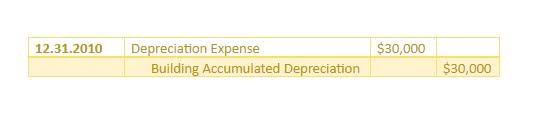
At the end of an asset’s useful life, it becomes «fully depreciated,» and is written off the business balance sheet. The difference between the cost basis of the asset and its value at write off is considered a capital loss, which affects the business taxes. The write-down of inventory, while a non-cash expense, can influence operating cash flows. Companies may find themselves needing to invest more in new inventory to replace obsolete stock, thereby increasing cash outflows. This can strain the company’s liquidity, making it challenging to meet other financial obligations. For instance, a fashion retailer might need to quickly replenish its stock with the latest trends, leading to higher cash outflows and potential cash flow issues.
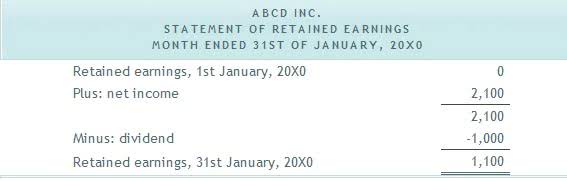
Inaccurate inventory forecasting
- Companies report inventory obsolescence by debiting an expense account and crediting a contra asset account.
- The term «obsolete» comes from the Latin for «grown old, worn out.» In our 21st-century business environment, obsolete often refers more to technological than physical wearing out.
- Inventory is presented as the net balance which is the combination of inventory cost and allowance for obsolete.
- This reduction in gross profit can have a cascading effect on other financial metrics, such as operating income and net profit, ultimately impacting the company’s overall profitability.
- Say goodbye to inventory headaches and hello to smoother operations and greater profitability.
- The financial implications of obsolete inventory extend far beyond the immediate write-downs on the balance sheet.
- The financial implications of obsolescence extend far beyond the immediate costs of unsellable inventory.
Below is a list of some of those reasons, and each company that does carry obsolete inventory may not necessarily experience each downside. “We have access to live inventory management, knowing exactly how many units we have in Texas vs. Chicago vs. New York. There’s also the option of remarketing items that are at risk of becoming obsolete. If the products still have potential, you could also sell them at a discount by running a promotion, such as a flash sale.

How bad is obsolete inventory?

For instance, retailers can use platforms like SAS Demand Forecasting to analyze historical sales data and market trends, enabling them to make more informed inventory decisions. A practical method for calculating obsolescence costs is to use historical data and predictive analytics. By analyzing past trends and patterns, businesses can forecast future obsolescence rates and adjust their inventory management strategies accordingly. For instance, a company might use software tools like SAP or Oracle Inventory Management to track inventory levels, monitor shelf life, and predict when items are likely to become obsolete. These tools can also help in setting up automated alerts for inventory nearing its expiration date, enabling timely action to minimize losses.
- Too little inventory can lead to lost sales and unhappy customers, while too much inventory can tie up valuable resources and result in excess costs.
- With the right data, you can identify slow-moving items and make decisions on whether to discontinue certain items or run a promotion to sell slow-moving items faster before they completely lose their value.
- You can sell them at a discount, bundle them with other products, liquidate them through surplus resellers, try to remarket them to a different audience, or do a complete inventory write off.
- Tools like SAP Ariba can facilitate better supplier collaboration by providing a platform for real-time communication and order management.
- If a company does have to write down or write off some of its inventory, it’s important to remember the entries may impact key financial metrics or financial ratios.
- Similarly, customer feedback can highlight changing preferences and emerging needs, enabling businesses to adjust their inventory strategies accordingly.
- For instance, a fashion retailer might need to quickly replenish its stock with the latest trends, leading to higher cash outflows and potential cash flow issues.
Role in Inventory Management
This inventory has not been sold or used for a long period of time and is not expected to be sold in the future. This type of inventory has to be written-down or written-off and can cause large losses for a company. Obsolescence income summary differs from the ongoing decline in the value of assets that is caused by normal usage, resulting in wear and tear. Normal usage is accounted for with ongoing charges to depreciation, which reduce the carrying amount of an asset by a consistent amount over time.
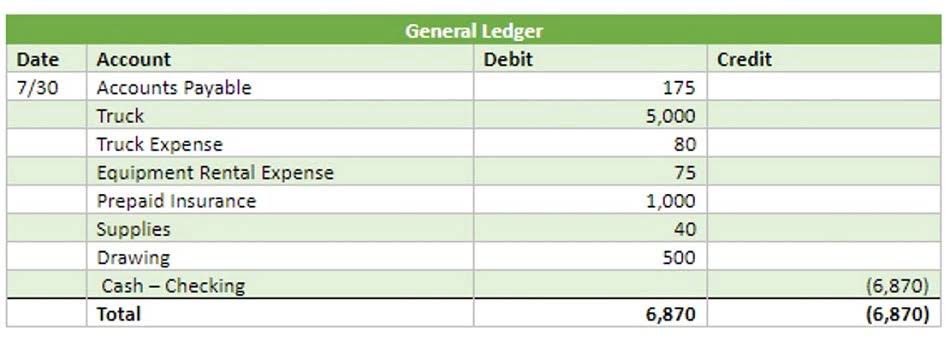
This includes having insights into production lead times, labor needs, warehousing, order fulfillment, and shipping. For instance, if you don’t have any insight into what items are slow-moving and taking up storage space, then it will be harder to identify how much obsolete inventory you’re accumulating. Accumulating obsolete inventory can occur for several reasons, from inaccurately forecasting demand to a lack of proper obsolescence in accounting inventory management. Since you cannot sell obsolete inventory, it is considered a loss and can cut into profit margins. Move away from reactive practices and embrace proactive strategies to reduce excess and obsolete stock.

Accounting Treatment of Obsolete Items
- No matter how an item becomes obsolete, there is accounting protocol for stating the impact on financial statements.
- It happens when a business considers it to be no longer sellable or usable and most likely will not sell in the future due to a lack of market value and demand.
- Overall, obsolescence can impact many different areas of business, and understanding its implications and trends can inform decision-making and help companies stay competitive and sustainable.
- Inventory refers to the goods and materials in a company’s possession that are ready to be sold.
The first step involves identifying the specific items that have become obsolete. This can be achieved through regular inventory audits and monitoring market trends to detect shifts in consumer demand or technological advancements. This involves evaluating the remaining useful life of the inventory and estimating the potential loss in value.